
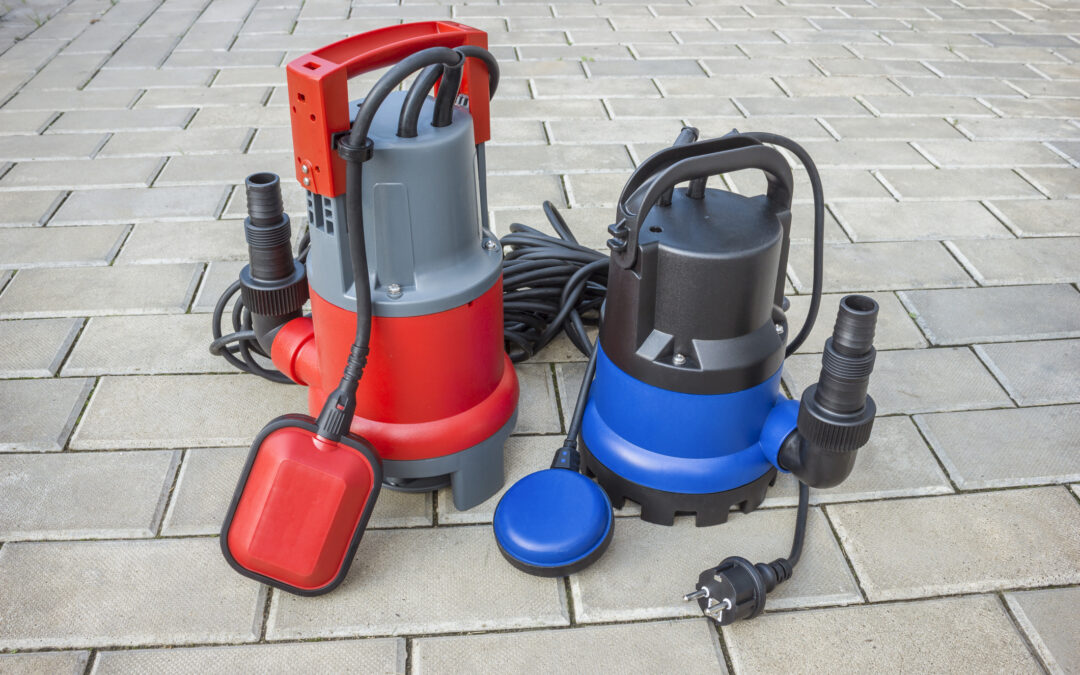
A wet basement can quickly turn from a small inconvenience to a major structural disaster. To protect your home, you need a pump that is powerful, reliable, and quiet. While you may encounter two main types, submersible and pedestal, modern plumbing standards heavily favor the submersible model for superior basement protection.
Why Is a Right Sump Pump Important?
Before diving into the mechanics of different models, it is vital to understand the high stakes involved in basement water management. A sump pump is not just another appliance; it is your home’s primary defense against groundwater pressure and flash flooding.
Choosing the right pump, one with the correct horsepower and design for your specific terrain, is the difference between a dry home and a catastrophe.
Preventing Structural Damage
When water saturates the soil around your foundation, it exerts hydrostatic pressure against your basement walls. Without a high-capacity pump to relieve this pressure, walls can crack, bow, or even collapse over time. The right pump ensures that water is diverted away before it can compromise the integrity of your concrete.
Health and Air Quality
A basement doesn’t need to be “flooded” to be dangerous. Excess moisture leads to the growth of mold and mildew, which can release spores into your home’s HVAC system. By keeping the pit dry and the humidity low, a professional-grade submersible pump protects your family’s respiratory health.
Protecting Property Value
A history of water damage or a failing, undersized pedestal pump can be a major red flag for home inspectors and future buyers. Investing in a high-quality submersible system is a signal to any future owner that the home has been meticulously maintained and protected.
The Two Types of Sump Pumps
To choose the right protection, it helps to understand the fundamental differences in how these systems are built.
1. Pedestal Sump Pumps (The Traditional Option)
A pedestal pump features a motor mounted on a tall shaft above the sump pit. While the impeller (the part that moves water) sits in the pit, the motor stays dry above the floor level.
- Pros: Generally cheaper and easier to access for DIY repairs.
- Cons: They are loud, take up floor space, and often struggle to keep up with high-volume water inflow.
2. Submersible Sump Pumps (The Professional Standard)
Submersible pumps are designed to sit entirely inside the sump pit. The motor is sealed in a waterproof housing and operates underwater.
- Pros: High pumping capacity, whisper-quiet operation, and a “hidden” look that stays out of the way.
- Cons: Higher upfront cost due to the advanced sealed motor technology.
Side-by-Side Comparison
| Feature | Pedestal Pump | Submersible Pump |
| Best For | Light moisture/Budget | Heavy flooding/Finished basements |
| Noise Level | Loud | Very Quiet |
| Pumping Capacity | Moderate | High |
| Space | Takes up floor space | Hidden in the pit |
| Reliability | Prone to overheating | Built for heavy-duty use |
How Do Sump Pumps Work?
While both types of pumps serve the same goal, removing water, their mechanical execution is quite different. Understanding these differences can help you appreciate why professionals prefer the submersible design.
How Pedestal Sump Pumps Work
Pedestal pumps operate on a “split-level” design. The motor is mounted at the top of a long column, while the intake and impeller are at the base.
- The Activation: Most pedestal pumps use a vertical float switch, a ball that slides up and down a metal rod. As water fills the pit, the ball floats up the rod until it hits a “stop,” which pulls a lever to turn on the motor.
- The Suction Method: Because the motor is separated from the water, it uses a long drive shaft to spin the impeller at the bottom. This design relies on “pulling” water up from the pit.
- The Limitation: Because the motor is exposed to the air, it lacks a natural cooling mechanism. During heavy storms where the pump must run continuously, pedestal motors are highly prone to overheating and burnout.
How Submersible Sump Pumps Work
Submersible pumps use a more integrated, efficient engineering approach. The entire unit, motor and all, is submerged in the water.
- The Activation: Submersible pumps often use a tethered float switch or an electronic sensor. These are generally more reliable, as they have fewer external metal parts that can corrode or get stuck against the side of the pit.
- The Pumping Process: Once triggered, the motor spins an impeller, a rotor with vanes that creates centrifugal force. Unlike the pedestal pump, the submersible pump “pushes” water out. In physics, pushing a liquid is significantly more energy-efficient than pulling it, allowing these pumps to move hundreds more gallons per hour.
- The Discharge and Check Valve: The water is forced through a discharge pipe. A critical component here is the check valve. This one-way valve prevents water in the pipe from flowing back into the pit when the pump shuts off, ensuring the pump doesn’t have to work twice as hard.
Why Lutz Plumbing Recommends Submersible Pumps
At Lutz Plumbing, we prioritize the long-term safety of your home. Because of their reliability and performance, we exclusively install and recommend submersible sump pumps. Here is why they are the better investment:
- Superior Pumping Power
When a major storm hits, you need a pump that can move hundreds of gallons per minute. Submersible pumps are built for high-demand cycles, easily outperforming pedestal models during heavy flooding.
- Quiet, Unobtrusive Operation
Because the pump is submerged in water and tucked inside the pit, the sound is muffled. This is essential for finished basements or homes where the sump pit is near a living area. Pedestal motors, being exposed to the air, can be quite noisy.
- Safety and Aesthetics
Submersible pumps allow for a flat, sealed pit cover. This keeps debris out of the pump, prevents children or pets from accessing the pit, and allows you to use your basement floor space effectively.
- Efficient Cooling
Water is an excellent heat conductor. Submersible pumps use the surrounding water to cool the motor, preventing the overheating issues that can plague pedestal pumps during long-running storms.
Choosing the Right Protection for Your Home
While pedestal pumps were common in the past, they often fall short of the demands of modern weather patterns and the need for finished basement living space. If you want a “set it and forget it” solution that offers the highest level of protection against rising groundwater, a submersible pump is the clear winner.
Ready to upgrade your basement protection? At Lutz Plumbing, we specialize in high-performance submersible systems tailored to your home’s specific needs. Don’t wait for the next heavy rain to find out if your old pump can keep up.