
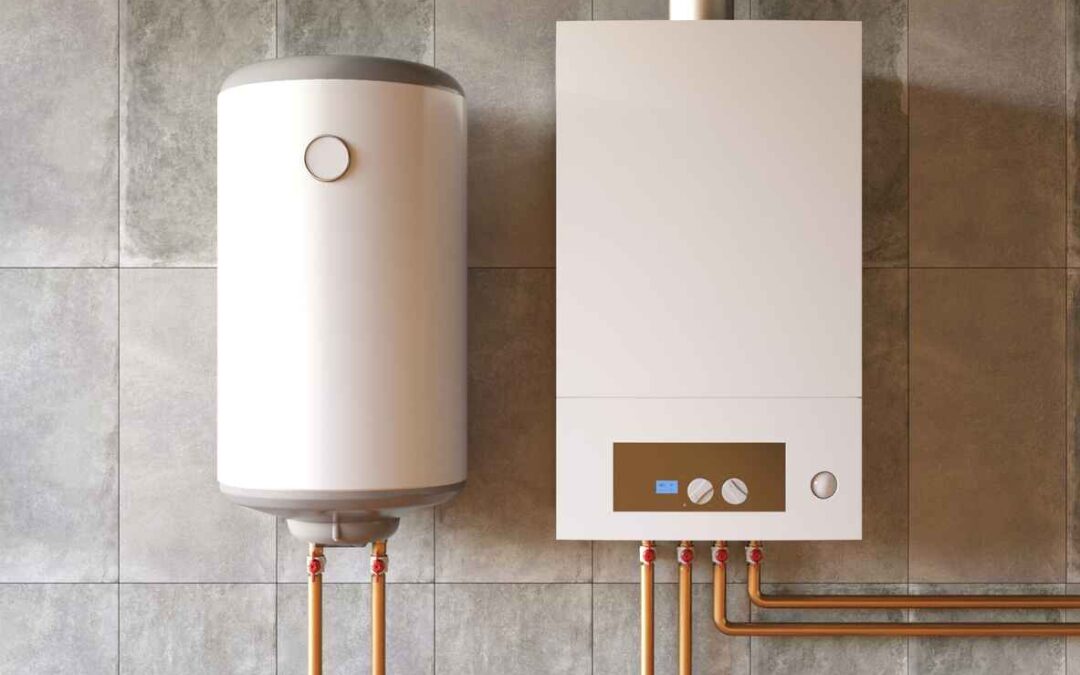
When it’s time to replace a water heater, many homeowners face the same question: should you choose a tankless system or stick with a traditional tank water heater?
The answer depends on your household’s hot water demands, budget, energy efficiency goals, and long-term plans for your home. Both systems have advantages and limitations, and understanding the differences can help you make a more informed decision.
Learn the key differences in the tankless vs tank water heaters debate, including how each system works, installation considerations, energy efficiency, costs, maintenance requirements, and which option may be the best fit for your household.
Understanding Traditional Tank Water Heaters
Traditional tank water heaters have been the standard in homes for decades. These systems store and continuously heat a large volume of water, typically ranging from 30 to 80 gallons.
When hot water is needed, the heated water is drawn from the tank and delivered through your plumbing system. As hot water leaves the tank, cold water enters and is heated to replenish the supply.
How They Work
A tank water heater maintains a reservoir of hot water at a preset temperature throughout the day. Whether you’re using hot water or not, the unit continues working to keep the stored water warm.
This process is known as standby heating and is one reason traditional systems can consume more energy over time.
Benefits of Traditional Water Heaters
Many homeowners continue to choose tank water heaters because they offer several practical advantages.
Lower Initial Cost
Tank water heaters generally cost less to purchase and install compared to tankless systems.
Simpler Installation
Replacing an existing tank unit with another tank model is often straightforward and requires minimal modifications to plumbing or utility connections.
Reliable Technology
Traditional systems have a long track record of dependable performance and are familiar to most plumbing professionals.
Easier Replacement
Because they are widely available and standardized, replacement parts and repair services are often easy to find.
Drawbacks of Traditional Water Heaters
Despite their popularity, tank systems have limitations.
Limited Hot Water Supply
Once the tank’s stored hot water is depleted, users must wait for the unit to reheat a new batch of water.
This can become an issue during periods of high demand, such as multiple showers back-to-back.
Higher Energy Consumption
The constant reheating of stored water contributes to ongoing energy usage.
Larger Footprint
Tank water heaters require dedicated floor space, which can be challenging in smaller homes, utility closets, or finished basements.
Shorter Lifespan
Most traditional water heaters last between 8 and 12 years before replacement becomes necessary.
Understanding Tankless Water Heaters
Tankless water heaters, often called on-demand water heaters, heat water only when it is needed. Instead of storing hot water in a tank, these systems use powerful burners or electric heating elements to rapidly heat water as it flows through the unit.
How They Work
When a hot water fixture is turned on, cold water passes through the tankless unit where it is heated instantly before reaching the faucet, shower, or appliance. Because water is heated on demand, there is no need for a storage tank.
Benefits of Tankless Water Heaters
Tankless technology offers several advantages that appeal to modern homeowners.
Limitless Hot Water
One of the most significant benefits is the ability to provide a continuous supply of hot water. As long as the system is properly sized, you won’t run out of hot water during showers, laundry cycles, or dishwashing sessions.
Greater Energy Efficiency
Because water is only heated when needed, tankless systems eliminate standby heat loss. This often translates into lower energy bills over time.
Space Savings
Tankless units are compact and typically mounted on a wall, freeing up valuable floor space.
Longer Service Life
Many tankless water heaters can last 20 years or more with proper maintenance.
Environmentally Friendly
Improved energy efficiency and longer lifespan can reduce overall environmental impact.
Drawbacks of Tankless Water Heaters
Despite their advantages, tankless systems are not ideal for every household.
Higher Upfront Cost
The equipment and installation costs are generally higher than those of traditional systems.
More Complex Installation
Upgrading from a tank system to a tankless model may require modifications to gas lines, venting systems, electrical connections, or plumbing infrastructure.
To know more about the installation process, read: How Long Does It Take to Install a Water Heater? A Lutz Plumbing Explains
Flow Rate Limitations
While tankless systems provide continuous hot water, multiple simultaneous demands can exceed the unit’s capacity if it is undersized.
Maintenance Requirements
Periodic descaling and maintenance are important, especially in areas with hard water.
Tankless vs Tank Water Heaters: A Side-by-Side Comparison
Understanding how the two systems compare in key categories can help narrow your decision.
| Feature | Traditional Tank Water Heater | Tankless Water Heater |
| Initial Cost | Lower purchase and installation cost | Higher equipment and installation cost |
| Operating Costs | Higher energy usage due to standby heating | Lower energy usage because water is heated on demand |
| Hot Water Supply | Limited by tank capacity | Continuous hot water when properly sized |
| Energy Efficiency | Less efficient due to standby heat loss | More efficient with on-demand heating |
| Lifespan | Typically 8–12 years | Often 20+ years with proper maintenance |
| Space Requirements | Requires significant floor space | Compact, wall-mounted design |
| Installation Complexity | Usually straightforward replacement | May require gas, electrical, or venting upgrades |
| Maintenance Needs | Tank flushing and anode rod inspections | Regular descaling and routine servicing |
| Best For | Budget-conscious homeowners and smaller households | Homeowners seeking long-term efficiency and endless hot water |
| Long-Term Value | Lower upfront investment but shorter lifespan | Higher upfront investment with potential long-term savings |
While traditional tank water heaters remain a practical and affordable choice, tankless systems offer greater efficiency, longer service life, and a continuous supply of hot water. The best option depends on your household’s hot water usage, budget, and long-term goals.
Which Water Heater Is More Energy Efficient?
Energy efficiency is one of the biggest factors homeowners consider when comparing tankless vs tank water heaters. Traditional tank systems continuously consume energy to maintain water temperature, even when no hot water is being used. Tankless systems eliminate this issue by heating water only when demand exists.
For households that use moderate amounts of hot water throughout the day, tankless systems often provide noticeable energy savings. However, actual savings depend on several factors:
- Household size
- Daily hot water usage
- Local utility rates
- Climate conditions
- System efficiency ratings
While energy savings may gradually offset the higher purchase price of a tankless system, homeowners should evaluate long-term costs rather than focusing solely on monthly utility reductions.
Which System Is Better for Large Families?
Family size plays a major role in selecting the right water heater.
Traditional Tank Systems
Large-capacity tanks can support significant hot water demand, but only until the stored supply is exhausted. If multiple family members shower consecutively, hot water shortages can occur.
Tankless Systems
Properly sized tankless units can provide a steady flow of hot water indefinitely. However, sizing is critical. A unit that is too small may struggle when multiple fixtures operate simultaneously. For larger homes, installing multiple tankless units or a high-capacity model may be necessary.
Installation Considerations
Installation requirements vary significantly between the two options.
Traditional Water Heater Installation
In many cases, replacing an existing tank water heater with a similar model is relatively straightforward. The existing plumbing, venting, and utility connections can often be reused with minimal adjustments.
Tankless Water Heater Installation
Installing a tankless system may require:
- Larger gas supply lines
- Updated electrical service
- New venting materials
- Water line modifications
- Condensate drainage systems for some models
These additional requirements can increase installation costs but may be worthwhile for homeowners seeking long-term efficiency and performance benefits.
Maintenance and Longevity
Regular maintenance can significantly impact the lifespan and efficiency of any water heater.
Traditional Water Heater Maintenance
Recommended maintenance typically includes:
- Flushing sediment buildup
- Inspecting the pressure relief valve
- Checking the anode rod
- Monitoring for corrosion
Neglecting maintenance can reduce efficiency and shorten equipment life.
Tankless Water Heater Maintenance
Tankless units often require:
- Annual descaling
- Filter cleaning
- Burner inspections
- Venting system checks
Homes with hard water may need more frequent servicing to prevent mineral buildup. While maintenance requirements can be slightly more involved, proper care can help tankless systems achieve their longer expected lifespan.
Questions to Ask Before Choosing A Water Heater
Before making a final decision, consider the following questions:
How Much Hot Water Does Your Household Use?
Families with heavy daily hot water usage may benefit from the continuous supply offered by tankless technology.
What Is Your Budget?
If minimizing upfront costs is the priority, a traditional tank system may be the better choice.
How Long Will You Stay in the Home?
Homeowners planning to remain in their home for many years may have more opportunity to recover the higher initial investment of a tankless system through energy savings.
Is Space Limited?
Smaller homes and utility areas often benefit from the compact design of tankless units.
What Are Your Energy Efficiency Goals?
If reducing energy consumption is important, a tankless system may align better with those objectives.
Choosing the Right Water Heater for Long-Term Comfort
The debate between tankless vs tank water heaters ultimately comes down to balancing upfront costs, energy efficiency, available space, and long-term household needs. Traditional tank water heaters remain a dependable and budget-friendly choice for many homeowners, while tankless systems offer impressive efficiency, extended lifespan, and an endless supply of hot water when properly sized.
The right solution depends on your home’s infrastructure, hot water demand, and future plans. Consulting with an experienced plumbing professional can help ensure you choose a system that delivers reliable performance and long-term value.
Whether you’re replacing an aging water heater or exploring an upgrade, the experts at Lutz Plumbing can help you evaluate your options, understand installation requirements, and select the ideal water heating solution for your home.