
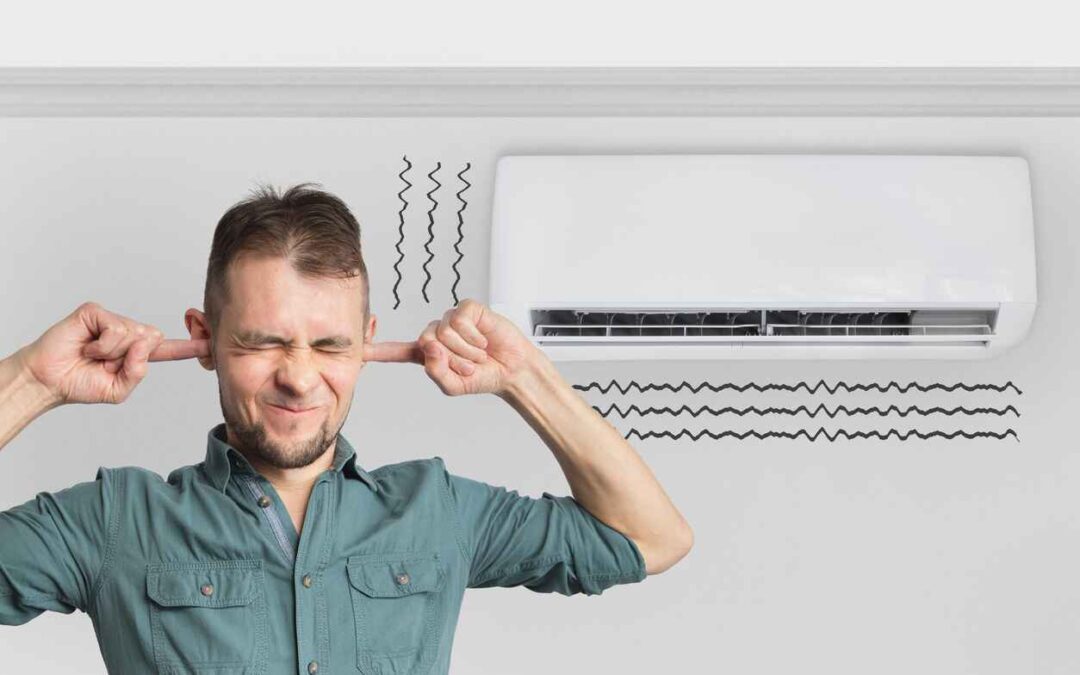
An air conditioner should produce a steady, gentle hum while keeping your home cool and comfortable. When that familiar, soothing sound turns into a sharp squeak, a raspy buzz, or a harsh grinding noise, your system is telling you that something isn’t right. Usually, a sudden noise means a part is loose, worn out, struggling to draw power, or actively failing, making troubleshooting AC repair options essential before a minor issue becomes a major replacement.
Some abnormal sounds come from simple, harmless issues like loose cabinet panels or a stray twig resting against a fan blade. Others point to serious problems like failing motor bearings, electrical arcing, or internal compressor damage. Because minor issues can turn into expensive headaches fast, listening closely to your system is the best way to catch trouble before it leaves you stranded in the heat.
Diagnosing an air conditioner starts with paying attention to the details. Where the sound comes from, when it happens during the cooling cycle, and whether it changes pitch with fan speed all offer huge clues. This guide breaks down the most common reasons behind AC squeaks, buzzes, and grinding noises, along with safe steps you can take at home and clear signs that it’s time to call in a professional.
Why Is My Air Conditioner Making Strange Noises?
To understand why your air conditioner is making funny sounds, it helps to know what’s going on under the hood. Blower motors push cool air through your ductwork, outdoor condenser fans release heat into the open air, capacitors give motors the electrical boost they need to start, and the compressor pumps refrigerant throughout the whole system.
Because all these parts work together under high energy, a light operational hum and the sound of rushing air are completely normal. The real warning sign is a noise that is brand new, noticeably louder than usual, or totally out of character for your unit.
Before jumping to conclusions, keep these four key clues in mind as you listen to your system:
- Location: Is the sound coming from your indoor unit (closet, basement, attic) or the outdoor condenser pad?
- Timing: Does it happen for just a few seconds right when the unit kicks on, or does it run continuously?
- Pitch & Rhythm: Does the pitch change as the fan speeds up, or does it follow a steady, repeating pattern?
- Performance: Is your house taking longer to cool down since the noise started?
Sharing these quick observations with a technician makes troubleshooting AC repair solutions much faster, saving you both time and stress.
Troubleshooting an AC Squeaking Noise
High-pitched squeaking or sharp squealing usually means moving mechanical parts are rubbing together without enough lubrication or tension.
1. Worn Fan Motor Bearings
Inside your fan motors, small metal bearings support the rotating shaft so it can spin thousands of times a minute freely. Over time, factory grease breaks down, allowing metal parts to rub together. This friction creates a piercing, high-pitched squeak in either your indoor blower motor or outdoor fan motor.
Bearing squeaks are often loudest right when the AC starts up because the motor is fighting initial resistance. The noise might soften slightly once the fan reaches full speed, but don’t be fooled—worn bearings won’t fix themselves. Left alone, the friction will generate extreme heat until the motor burns out completely.
2. Loose or Worn Blower Belts
If you have an older HVAC system, it might use a rubber belt to turn the blower fan. Just like a belt in your car, these rubber straps stretch out, dry up, and crack over years of heavy use.
When a worn belt loses its grip on the motor pulley, it slips and produces an unmistakable screech. You’ll usually hear this right at startup when the motor suddenly puts a heavy load on the belt. During a routine check, an HVAC technician will look for:
- Visible cracks, fraying, or missing rubber teeth
- Too much slack along the tension line
- Misaligned pulleys that cause uneven wear
Note: Most modern homes use direct-drive motors without belts, so if your system is less than 15 years old, a squeak is more likely coming from bearings or fan blades.
3. Fan or Blower Wheel Contact
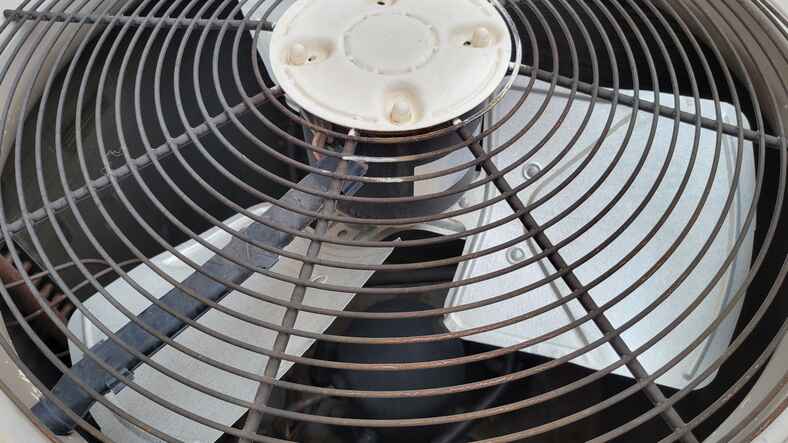
A squeak can also happen when a spinning part physically scrapes against a stationary surface. If a blower wheel loosens on its drive shaft, it can shift slightly and rub against the metal casing. Out in the yard, a bent condenser fan blade can brush against its protective metal cage every time it turns. This physical scraping creates a rhythmic squeak that speeds up or slows down right alongside the fan.
Troubleshooting an AC Buzzing Noise
Buzzing is one of the trickiest noises to figure out because it can be caused by anything from complex electrical glitches to simple physical rattling. While a faint hum is normal, a loud, raspy buzz usually means a component is under serious strain.
1. Failing AC Capacitor
Think of a capacitor as a tiny, powerful battery that gives your motors the burst of energy they need to start up and run smoothly. When a run or start capacitor begins to go bad, it can’t deliver enough electrical juice.
When this happens, the fan motor or compressor receives electricity but lacks the strength to spin. This produces a loud, heavy buzzing sound from the outdoor unit. You might notice the outdoor cabinet buzzing while the fan blades sit completely still, or feel warm air coming from your vents because the compressor can’t turn on.
Caution: Capacitors hold high voltage even when power is turned off. Homeowners should never open electrical panels or try to replace a capacitor on their own.
2. Contactor and Electrical Connection Problems
The contactor is an electrical switch inside your outdoor unit that snaps shut to send high-voltage power to the compressor and fan whenever your thermostat asks for cooling. Over years of hard work, the metal contact points can pit, burn, or collect carbon buildup.
When electricity tries to force its way across damaged contacts, the switch can vibrate rapidly, producing a loud buzzing or chattering sound. Loose wires can cause similar noises and create dangerous electrical arcing. If you ever hear a buzz paired with crackling sounds, burning smells, or tripped breakers, shut down your system right away.
3. Fan Motor Struggling to Start
When an electric motor gets power but can’t physically rotate, all that trapped electrical energy turns into a heavy buzz. This typically happens if motor bearings have seized up completely or if a stray object is physically blocking the fan blades. Leaving a stuck motor powered on generates intense heat that can permanently ruin the motor windings or start a fire.
4. Loose Panels or Mounting Hardware
The good news is that not every buzzing noise means a costly repair. Air conditioners naturally vibrate while running, and those vibrations travel right into the sheet metal cabinet and ductwork. If panel screws back out over time or rubber isolators wear down, metal panels will rattle against each other. This creates a buzz that sounds surprisingly dramatic, even when all the major internal parts are totally healthy!
Troubleshooting an AC Grinding Noise
If there’s one noise you should never ignore, it’s grinding. Unlike a light squeak or rattle, grinding almost always points to serious mechanical wear or raw metal parts scraping together.
1. Advanced Bearing Failure
Remember those dry motor bearings that started out as a high-pitched squeak? If they aren’t lubricated or replaced, the remaining grease disappears entirely, and the internal ball bearings begin to disintegrate.
As raw metal grinds against raw metal, the squeak turns into a harsh, heavy grinding sound. At this point, the motor shaft will wobble, overheat, and draw way too much electricity until the motor burns out or seizes completely.
2. Debris or Fan Blade Contact
A sudden grinding or scraping sound from your outdoor unit isn’t always a dead motor—sometimes yard work is to blame! Twigs, bark, mulch, or gravel can fall through the top screen and get caught near the fan.
When the fan spins, the high-speed blades strike these foreign objects, generating a harsh grinding noise. Likewise, if the outdoor unit gets bumped by a lawnmower, the cage can bend inward, causing the spinning metal fan to scrape directly against the side walls.
| Sound Type | Most Likely Source | Quick Home Safety Tip |
| Squeaking / Squealing | Dry motor bearings, worn blower belt, or fan wheel contact | Check if the sound speeds up with the fan; don’t attempt to oil sealed bearings yourself. |
| Buzzing / Humming | Failing capacitor, worn electrical contactor, or loose cabinet screws | Tighten visible cabinet screws. Never open electrical panels to touch wiring or capacitors! |
| Grinding / Scraping | Completely failed bearings, debris in fan cage, or compressor damage | Turn off power at the thermostat immediately to prevent total motor or compressor destruction. |
3. Internal Compressor Damage
The absolute most severe cause of a grinding noise is internal failure inside the compressor. The compressor is the heart of your entire system, using precision valves and pistons to pump refrigerant under intense pressure.
If the system runs low on refrigerant or loses its internal oil, heavy metal components will grind directly against one another. This produces a deep, metallic grinding or clanking sound right from the bottom of the outdoor unit. Because compressors are factory-sealed, internal grinding usually means the compressor or the entire outdoor unit needs to be replaced.
How to Troubleshoot AC Noises Safely
You don’t need a heavy toolbox or a technical degree to keep your air conditioner running smoothly. Once you’ve noted where and when the sound occurs, homeowners can safely perform a few basic, non-invasive maintenance checks at home:
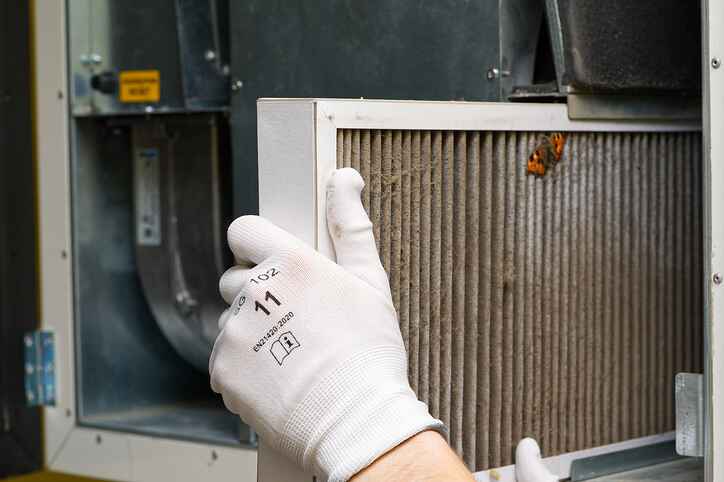
Step 1: Check and Replace Your Air Filter
A heavily clogged filter starves your system of air, forcing the indoor blower motor to work twice as hard. That extra static pressure can cause blower wheels to wobble, drive belts to slip, and sheet metal ductwork to pop or vibrate loudly. Take a look at your air filter—if it’s caked in dust and lint, swap it out for a fresh one right away to relieve unnecessary strain on the motor.
Step 2: Clear Exterior Yard Debris
Turn off your system at the thermostat, walk outside, and look through the top grille of your outdoor unit with a flashlight. Look for trapped sticks, pinecones, leaves, or mulch caught near the fan blades. Trim back bushes, tall grass, and weeds so your cabinet has at least two feet of clear breathing room on all sides. Sharing these details with Lutz Plumbing, Heating, Cooling, & Electrical ensures our team arrives fully prepared to solve the issue.
Step 3: Check Visible Cabinet Screws
Air conditioners naturally vibrate while running, and over time, those small movements can loosen sheet metal screws along the outer casing. If you hear a light metallic rattle or buzz, check the visible screws along the outer access panels. Using a standard hand screwdriver, gently tighten any loose screws to eliminate annoying panel vibration. (Note: Never remove protective covers or touch electrical wiring.)
When Should You Turn Off a Noisy Air Conditioner?
While a light panel rattle can wait a few days until a scheduled checkup, certain noises mean your system is actively damaging itself. You should immediately turn off your air conditioner at the thermostat and breaker box if you notice:
- Continuous metal-on-metal grinding from any fan or motor
- Heavy knocking, clanking, or screeching coming from the compressor
- Loud electrical buzzing paired with a burning or acrid smell
- A loud buzzing unit with a fan that refuses to spin
- Frequent circuit breaker trips whenever the AC tries to kick on
Shutting down the system early can save a failing motor or fan blade from turning into a total system failure.
Can Regular Maintenance Prevent Strange Noises?
While routine maintenance can’t stop parts from eventually aging out, tune-ups prevent the vast majority of sudden, noisy breakdowns. During a professional maintenance visit, experienced technicians perform key steps that target noises before they start:
- Lubrication: Oiling motor bearings and moving joints stops friction and squeaks in their tracks.
- Electrical Testing: Checking capacitors and contactors catches weak electrical parts before they cause heavy buzzing or stalled motors.
- Hardware Tightening: Securing loose panel screws, motor mounts, and brackets stops annoying metal rattles.
- Cleaning & Alignment: Clearing out yard debris and straightening fan blades prevents dangerous scraping and grinding.
Taking care of minor friction or a loose screw today stops small problems from cascading into expensive emergency replacements when you need cooling the most.
Don’t Ignore New AC Noises
Squeaks, buzzes, and grinding noises are your air conditioner’s way of calling for help. Squeaking usually points toward dry bearings or loose belts starting to slip. Buzzing often signals electrical component trouble, stalled motors, or loose cabinet panels. Grinding requires immediate attention, as it means serious bearing wear, trapped debris, or internal compressor damage.
By taking a few minutes to locate the sound, replacing dirty air filters, and keeping your outdoor unit clean, you can stay ahead of major repairs. But when it comes to electrical testing, internal motors, or compressor checks, troubleshooting AC repair needs should ultimately be handled by trained professionals.
If your air conditioner is making strange sounds or giving you trouble, reach out to the friendly team at Lutz Plumbing, Heating, Cooling, & Electrical to get your home cool, quiet, and comfortable again!
Frequently Asked Questions
Can an AC Unit Still Cool My Home While Making Strange Noises?
Yes! Air conditioners often keep blowing cold air even when a bearing, capacitor, or electrical switch is actively failing. However, ignoring the sound just because your home feels cool will cause more serious damage, leading to a sudden breakdown and a much bigger repair bill down the road.
Why Does My AC Only Make Noise When It First Kicks On?
Startup puts the absolute highest demand on electrical parts and mechanical components as they jump from a complete stop to full speed. Issues like a stretching belt, weak capacitor, or early bearing wear are most noticeable during those first few seconds of heavy load.
Can Hot Summer Weather Make AC Noises Worse?
Absolutely. During heatwaves, your system runs much longer and works significantly harder against high outdoor temperatures. That continuous stress causes heat expansion, heavy vibration, and friction to become far more intense, making minor mechanical wear much louder and easier to hear.