
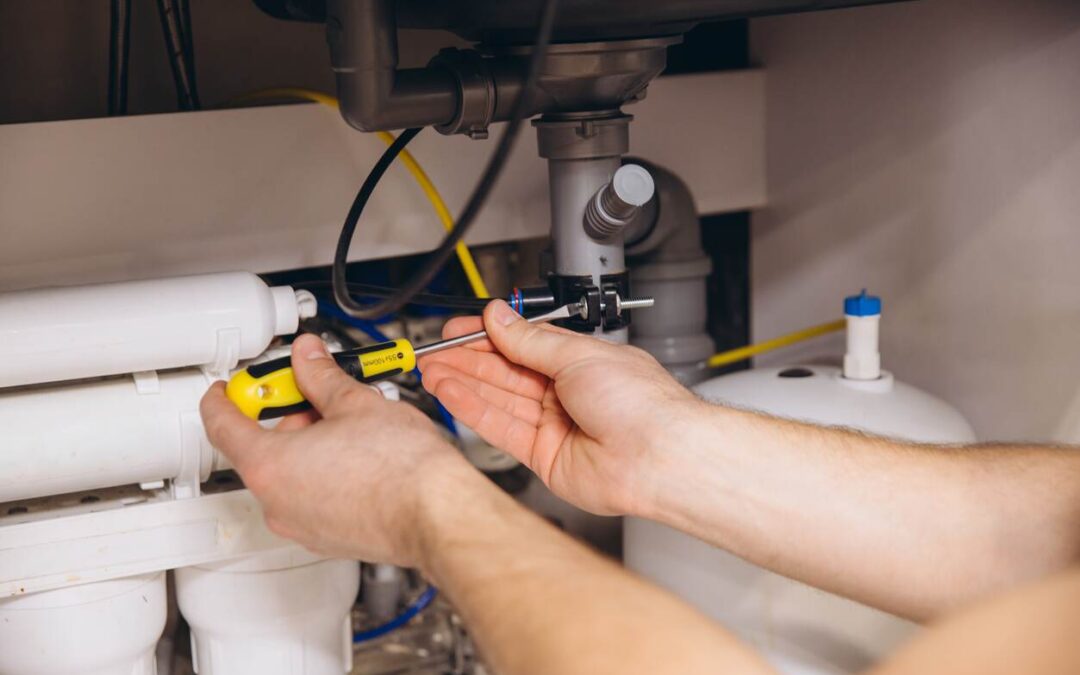
Water is the lifeblood of the modern home, yet the quality of what flows from our taps is a growing concern. Many homeowners are noticing the unpleasant effects of aging municipal infrastructure or hard water minerals on their daily lives. From the distinct smell of chlorine in the shower to cloudy sediment in a glass of water, these issues impact your health and your home’s longevity.
Understanding the nuances of a professional water filtration installation is the first step toward total home wellness. Whether you are battling “rotten egg” odors or crusty white buildup on your fixtures, there is a solution tailored to your needs. This guide explores the two primary paths: Whole-House systems and Point-of-Use (POU) systems.
Our goal is to help you choose the right system based on your specific budget, household size, and lifestyle. By the end of this article, you will understand which technology provides the best defense for your family.
What Is a Whole-House Water Filtration System
A whole-house water filtration system, also known as a Point-of-Entry (POE) system, is your home’s first line of defense. It is installed directly at the main water line where the supply enters your property. This ensures that every drop of water used, whether for drinking, bathing, or laundry, is treated before it reaches a single faucet.
These systems typically use a multi-stage process to ensure comprehensive water quality. While many rely on sediment and carbon filters, Whole-House Reverse Osmosis (RO) systems are also available for those seeking the ultimate level of purification for every tap in the home.
Common contaminants targeted by whole-house systems include:
- Sediment: Silt, sand, and rust particles that can clog fixtures.
- Chlorine and Chloramines: Common disinfectants that cause dry skin and chemical odors.
- Volatile Organic Compounds (VOCs): Harmful chemicals that can evaporate in shower steam.
- Dissolved Solids: Heavy metals and minerals.
The benefits of this setup are extensive. You will notice cleaner water from every tap and better protection for your plumbing and appliances. However, these systems often require a higher upfront cost and professional installation to ensure the main line remains leak-free.
What Is a Point-of-Use (POU) Filtration System
Point-of-Use (POU) systems are designed to filter water at a specific outlet rather than the entire home. These are surgical solutions, perfect for homeowners primarily concerned with the water they drink or cook with.
Common types of POU systems include:
- Under-Sink Reverse Osmosis (RO): This is often considered the gold standard for high-purity drinking water.
- Faucet-Mounted Filters: These are simple attachments for immediate improvement in taste and odor.
- Countertop and Refrigerator Filters: These units provide targeted filtration without requiring major plumbing changes.
While POU systems are effective, they are limited by their scope. They only treat one location at a time, meaning your shower and laundry water remains unfiltered. If you want high-quality water at multiple sinks, the maintenance of several individual units can become more complex over time.
Differences Between Whole-House and Point-of-Use Systems
The decision between these two options often comes down to the scale of coverage and the depth of filtration required. Whole-house systems focus on “working water,” while POU systems focus on “consumable water.”
| Feature | Whole-House (POE) | Point-of-Use (POU) |
| Primary Goal | Protect plumbing and skin | High-purity drinking water |
| Installation | Professional required | DIY-friendly options |
| Coverage | Every tap and appliance | Single faucet or shower |
| Technology | Carbon Filters, Sediment, or RO | Carbon or RO |
| Maintenance | Annual or bi-annual | Every 2–6 months |
Whole-house systems provide convenience through a low-maintenance approach. You only have to worry about one maintenance schedule for the entire property. In contrast, POU systems offer depth at the tap, often removing a wider range of microscopic contaminants like heavy metals or fluoride.
Factors to Consider When Choosing a System
Choosing a filtration system should always begin with a professional water test to identify your specific “enemies.” Without knowing what is in your water, you might buy a system that doesn’t address your primary issues.
When evaluating your options, consider the following:
- Household Size: Larger families with high water usage often benefit more from whole-house systems to ensure uniform quality.
- Budget: You must balance the initial purchase price against long-term cartridge costs.
- Hard Water: If you have mineral scale buildup, you may need a water softener in addition to or as part of a whole-house system.
- Home Ownership: Renters should stick to POU systems that can be easily removed, while long-term homeowners should look at the value-add of a permanent installation.
Environmental considerations also play a role. Implementing a high-quality filtration system significantly reduces the need for single-use plastic bottled water. This not only saves you money but also lessens your household’s ecological footprint.
When to Choose a Whole-House Filtration System
A whole-house system is the best choice for those dealing with systemic water issues. If your water source is a private well, a POE system is almost always necessary to manage sediment, iron, and potential microbial contaminants before they enter your home’s pipes.
Municipal water users choose whole-house systems when they prioritize the bathing experience. If you have family members with sensitive skin or eczema, removing chlorine from shower water can provide immediate relief. It is also the preferred choice for those looking to improve the property value and protect expensive appliances like high-efficiency washers and water heaters.
When to Choose Point-of-Use Filtration
Point-of-use is the winner for budget-conscious homeowners or those in temporary housing. If your municipal water is generally safe but tastes like a swimming pool, a simple under-sink carbon or RO system provides the best “bang for your buck.”
It is also the best choice for individuals who want the highest level of purification possible. Reverse osmosis technology, which is common in POU systems, is exceptionally effective at removing lead, arsenic, and nitrates. For those who strictly want the best-tasting drinking and cooking water, a POU unit in the kitchen is often the most logical and affordable path.
Can You Combine Both Systems?
The ultimate solution for many modern homes is a hybrid approach. This involves installing a whole-house system to act as a “pre-filter” for the entire home, followed by a POU Reverse Osmosis system in the kitchen for drinking water.
The benefits of a layered approach include:
- Extended Filter Life: The POU system doesn’t have to work as hard because the whole-house system removes the bulk of the sediment first.
- Maximum Protection: You get the skin-protecting benefits in the shower and the ultra-pure taste in the kitchen.
- Reliability: Even if one system requires maintenance, you still have a level of filtration active in the home.
Installation and Maintenance Overview
Proper installation is the key to any successful water treatment strategy. For whole-house units, professional plumbing is recommended to prevent pressure drops and ensure the system is integrated safely into your main line. These units typically require filter changes every 6 to 12 months.
POU systems are often DIY-friendly, but they require more frequent attention. Depending on your water usage, you may need to replace cartridges every 2 to 3 months to maintain effectiveness. Routine maintenance is the only way to guarantee that your filters are removing contaminants rather than harboring them.
A water filter is just one part of your home’s health. For a complete look at keeping your system in top shape, check out our blog about the plumbing maintenance checklist for homeowners.
Trust Lutz Plumbing for Your Water Treatment Needs
Choosing between whole-house and point-of-use filtration shouldn’t be a guessing game. At Lutz Plumbing, we’ve seen how the right system can transform a home’s environment.
Matching a system to your lifestyle requires a balance of budget, water quality data, and long-term goals. Whether you need a comprehensive whole-house solution or a specialized under-sink unit, the right investment will pay dividends in your health and your home’s infrastructure.
Ready to improve your home’s water quality? Contact our team today to schedule a water quality consultation and find the perfect filtration system for your needs!