
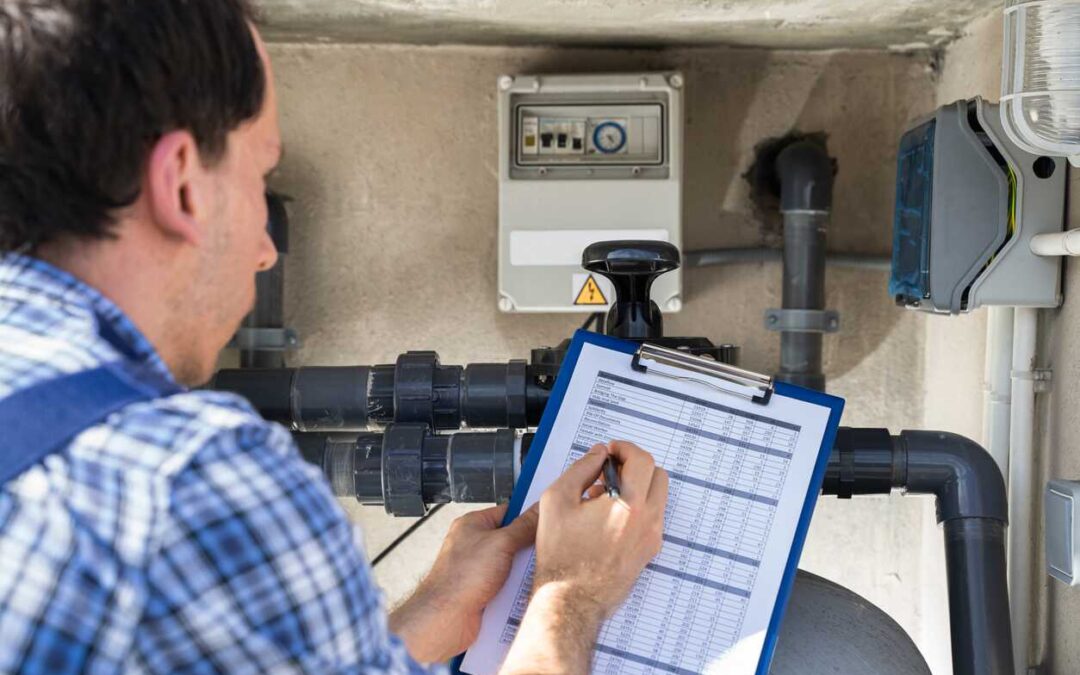
Facility managers have enough surprises to deal with, and plumbing emergencies should not be one of them. A burst pipe, sewer backup, or hidden leak can disrupt operations, damage property, and create expensive downtime in a matter of hours.
That is why every facility should have a reliable plumbing maintenance checklist in place. Preventive maintenance helps Kansas City property managers stay ahead of repairs, improve water efficiency, extend equipment life, and reduce costly emergency calls. Working with experienced plumbing providers can also help ensure your systems remain compliant and operational year-round.
Kansas City’s seasonal temperature swings add another layer of risk. Freezing winters, humid summers, and aging infrastructure can all put stress on plumbing systems. A structured maintenance plan keeps facilities prepared for every season.
Why Preventive Plumbing Maintenance Matters
plumbing systems work much harder than residential systems. Office buildings, warehouses, restaurants, healthcare facilities, and retail centers all experience heavy daily usage that accelerates wear and tear.
Without regular maintenance, small problems can quickly become major disruptions. Industry sources note that unnoticed leaks, failed backflow preventers, and neglected drainage systems are among the most common causes of costly plumbing failures.
Preventive maintenance provides several key benefits:
- Reduces emergency repair costs
- Minimizes downtime and tenant complaints
- Improves water efficiency
- Extends equipment lifespan
- Supports code compliance
- Helps with long-term budgeting
- Prevents water damage and mold growth
For Kansas City facilities dealing with seasonal freeze-thaw cycles, preventive inspections are especially important before winter and during spring thaw periods.
Monthly plumbing Maintenance Checklist
Monthly inspections help catch early warning signs before they turn into emergencies. These checks can often be handled by in-house maintenance staff.
Inspect Visible Pipes and Connections
Walk through utility rooms, restrooms, kitchens, and mechanical areas to inspect exposed plumbing.
Look for:
- Corrosion
- Moisture buildup
- Active leaks
- Rust stains
- Pipe movement or vibration
- Water stains on ceilings or walls
Even small leaks can lead to structural damage if ignored over time. Regular inspections are one of the simplest ways to prevent expensive repairs.
Check Water Pressure
Inconsistent water pressure often signals hidden plumbing issues.
Test fixtures throughout the building for:
- Sudden pressure drops
- Excessively high pressure
- Slow flow
- Pressure fluctuations
High water pressure can place unnecessary strain on valves, fixtures, and supply lines.
Inspect Restrooms and Fixtures
Commercial restrooms receive heavy daily use and should be checked frequently.
Inspect:
- Toilets for running water
- Urinals for clogs
- Faucets for leaks
- Sensor fixtures for proper function
- Drainage speed
- Caulking around sinks and fixtures
Small fixture failures waste water and can increase utility bills significantly over time.
Monitor Water Heaters
Check water heaters and boilers for:
- Leaks
- Unusual noises
- Sediment buildup
- Corrosion
- Inconsistent temperatures
Ignoring early warning signs can shorten equipment life and increase energy costs.
Verify Drain Performance
Slow drains are often the first sign of developing blockages.
Monitor:
- Floor drains
- Kitchen drains
- Utility sinks
- Restroom drains
Persistent slow drainage should be addressed before it turns into a sewer backup.
Quarterly Plumbing Maintenance Tasks
Quarterly inspections go deeper into system performance and help address buildup that monthly checks may miss.
Test Shut-Off Valves
Emergency shut-off valves should always remain operational.
Quarterly testing helps ensure valves are:
- Accessible
- Clearly labeled
- Functional
- Free of corrosion
During an emergency, a failed shut-off valve can dramatically increase water damage.
Clean Drains and Sewer Lines
High-traffic commercial facilities benefit from scheduled drain cleaning.
Facilities managers should consider:
- Hydro jetting
- Mechanical drain cleaning
- Grease trap cleaning
- Sewer line inspections
Preventive drain cleaning reduces the risk of major backups and recurring clogs.
Inspect Sump Pumps
Facilities with basements or mechanical pits should inspect sump pumps quarterly.
Check for:
- Proper activation
- Float switch operation
- Backup power function
- Discharge line issues
Kansas City storms can overwhelm drainage systems quickly if sump pumps fail.
Examine Pipe Insulation
Temperature swings can damage unprotected plumbing systems.
Inspect insulation around:
- Exposed pipes
- Mechanical rooms
- Exterior wall piping
- Unconditioned spaces
Damaged insulation increases freeze risks during the winter months.
Semi-Annual Plumbing Maintenance Checklist
Twice-yearly maintenance inspections are ideal for evaluating larger system components and preparing for seasonal changes.
Conduct Camera Inspections
Video inspections allow plumbers to identify hidden issues inside drain and sewer lines.
Camera inspections can detect:
- Tree root intrusion
- Cracks
- Pipe collapse
- Grease buildup
- Scale accumulation
Older Kansas City properties may especially benefit from routine sewer camera inspections.
Test Backflow Preventers
Backflow devices protect drinking water from contamination and are required in many commercial facilities.
Routine testing helps ensure:
- Regulatory compliance
- Proper operation
- Safe water quality
Failed backflow devices can lead to health violations and costly penalties.
Evaluate Water Quality
Water quality testing helps identify mineral buildup, contaminants, or corrosion issues that may affect plumbing performance.
Testing may include:
- pH levels
- Hardness
- Sediment levels
- Contaminant screening
Facilities with food service or healthcare operations should prioritize water quality monitoring.
Annual plumbing Maintenance Tasks
Annual maintenance is the time for comprehensive inspections, major servicing, and long-term planning.
Flush Water Heaters
Sediment buildup reduces heater efficiency and shortens equipment lifespan.
Annual flushing helps:
- Improve efficiency
- Reduce energy costs
- Extend equipment life
- Prevent overheating
Many facility managers include annual flushing as part of their preventive maintenance program.
Review Plumbing System Documentation
Accurate records are essential for long-term facility management.
Update:
- Inspection logs
- Repair histories
- Equipment inventories
- Warranty records
- Valve maps
- Maintenance schedules
Poor documentation often creates major challenges for future maintenance teams. Facility managers on Reddit frequently mention recordkeeping as one of the biggest gaps in older properties.
Budget for Capital Improvements
Annual reviews help identify aging infrastructure that may require replacement soon.
Evaluate:
- Pipe age
- Fixture performance
- Water heater lifespan
- Corrosion trends
- Recurring repair areas
Proactive budgeting helps avoid surprise capital expenses later.
Review Emergency Preparedness Plans
Every facility should have a plumbing emergency response plan.
Ensure staff knows:
- Main shut-off locations
- Emergency vendor contacts
- Evacuation procedures, if needed
- Water damage mitigation protocols
Quick response times can dramatically reduce repair costs after a plumbing failure.
Seasonal Plumbing Maintenance Tips for Kansas City
Kansas City’s climate creates unique plumbing maintenance challenges throughout the year.
Winter Preparation
Before freezing temperatures arrive:
- Insulate exposed pipes
- Seal exterior wall penetrations
- Inspect heating systems near plumbing
- Drain unused exterior lines
- Test freeze protection systems
Frozen pipes are one of the most common winter plumbing emergencies in commercial properties.
Spring Storm Readiness
Spring rainfall can overwhelm drainage systems.
Prepare by:
- Cleaning storm drains
- Inspecting sump pumps
- Clearing gutters and downspouts
- Verifying proper site drainage
Summer Water Usage Monitoring
Higher summer occupancy and cooling demands can increase water consumption.
Monitor for:
- Unexpected spikes in water bills
- Irrigation leaks
- Cooling system plumbing issues
Fall System Inspections
Fall is an ideal time to schedule comprehensive inspections before winter arrives.
Focus on:
- Pipe insulation
- Water heater performance
- Drain cleaning
- Valve testing
Common Plumbing Problems Facility Managers Should Never Ignore
Certain warning signs should always trigger immediate attention.
Persistent Drain Odors
Bad odors may indicate:
- Sewer gas leaks
- Dry traps
- Hidden blockages
- Ventilation issues
Repeated Clogs
Recurring clogs often signal larger sewer line problems rather than isolated fixture issues.
Water Stains or Mold
Moisture damage can spread quickly behind walls or above ceilings.
Rising Water Bills
Unexpected increases in water usage often point to hidden leaks or inefficient fixtures.
Noisy Pipes
Banging, rattling, or whistling pipes may indicate pressure problems or loose supports.
Building a Smarter Preventive Maintenance Program
The most effective plumbing maintenance programs are proactive rather than reactive.
Successful facility managers often:
- Schedule recurring inspections
- Keep detailed maintenance records
- Prioritize preventive repairs
- Partner with trusted commercial plumbers
- Train maintenance staff on early warning signs
Industry experts consistently emphasize that preventive maintenance costs far less than emergency repairs and operational downtime.
Keep Your Kansas City Facility Running Smoothly
plumbing systems are too important to leave unchecked. A consistent maintenance strategy helps Kansas City facility managers reduce emergencies, protect property value, and improve long-term operational efficiency.
From routine inspections to seasonal preparation, following a structured plumbing maintenance checklist can make a major difference in both performance and cost control.
For facilities that need professional support, Lutz Plumbing provides plumbing services designed to help Kansas City properties stay operational, compliant, and prepared for unexpected plumbing challenges.