
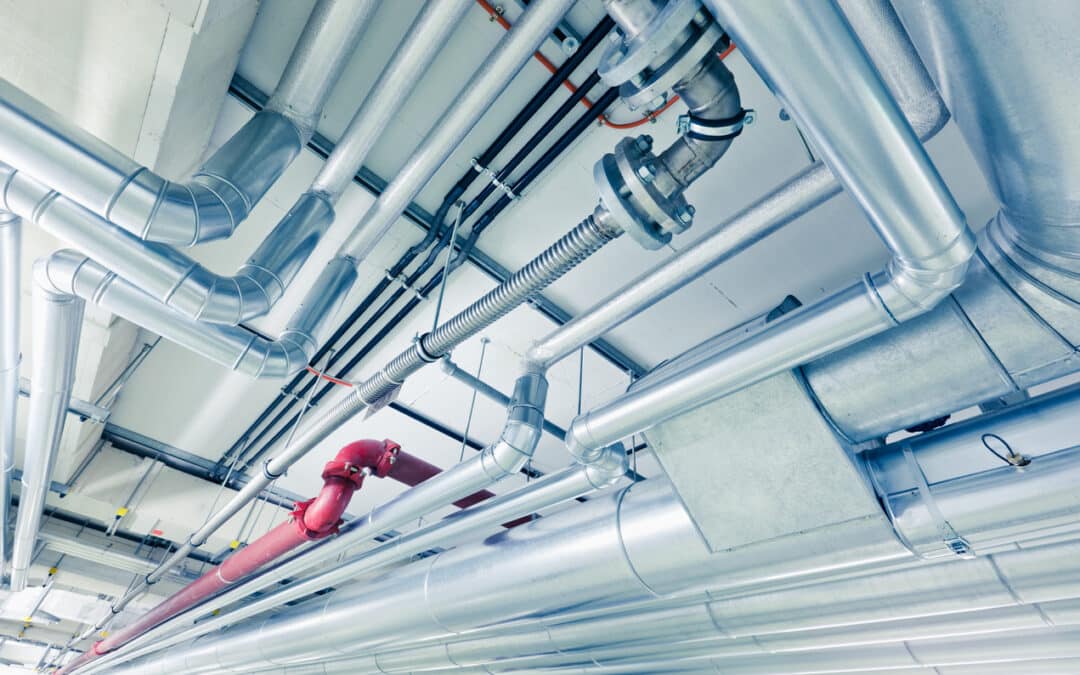
When you manage a commercial building, whether it’s an office block, a restaurant, a hotel, or a multi‑tenant property, plumbing maintenance isn’t usually the first thing that comes to mind. But here’s the truth: plumbing forms the backbone of your operational infrastructure. It handles water supply, drainage, waste, fixtures, heaters, and more. Yet, too often, it’s treated as something you only fix when it breaks. That approach opens the door to serious financial risk, operational disruption, and compliance headaches.
In this article, we’ll explore why ignoring plumbing is a gamble, even if things seem fine now—and how switching to a proactive approach turns that risk into a manageable cost.
Putting plumbing into the “fix it when it breaks” category ignores its strategic purpose: it safeguards infrastructure, supports business continuity, and ensures compliance with regulations. Treating plumbing as a disposable cost is a mistake many facility managers live to regret.
Why Plumbing Matters More in Commercial Settings
Plugging in a faucet or installing a water heater may feel familiar from residential work—but commercial systems operate in a different league entirely. These systems are bigger, busier, and under more pressure. They involve large capacity heaters, multi‑story pipe networks, high usage fixtures, grease traps, backflow prevention, and often specialized plumbing for kitchens, labs or industrial processes. One small pipe failure can cascade into large-scale disruption.
The High Cost of “Waiting Until It Breaks”
Choosing a reactive maintenance strategy—or no strategy at all—is like skipping preventative health care and hoping for the best. It might work for a while, but when systems fail, the consequences are steep.
Unpredictable and Premium Costs: Emergency plumbing jobs in commercial buildings are expensive. After‑hours labor, rush fees, expedited parts, and cleanup costs all add up fast. These aren’t standard service calls; they’re urgent, unplanned, and very high cost.
Business Interruptions: When a plumbing failure shuts down operations, the cost goes beyond the repair bill. A restaurant with a broken main drain, a hotel without hot water, or an office building with sewage backups all lose revenue, productivity, and customer trust. Downtime is money—and reputation.
Shortened Equipment Life: Minor issues left unchecked become major failures. Corroded pipes, loose fittings, degraded seals—they quietly accelerate infrastructure wear. Ultimately, you’ll replace major assets sooner than expected, funding the obsolescence of your own systems.
Turning Plumbing Into an Investment
The great news? Plumbing doesn’t have to be a liability. A well‑structured, proactive maintenance plan transforms it into an investment that pays for itself.
Predictable Costs: Scheduled maintenance means budget stability. You procure parts at normal rates, schedule work during business hours, avoid emergency premiums. Plumbing becomes a planned expense—not a surprise.
Extended Asset Life: With regular inspections, cleaning, minor repairs, you extend the working life of your pipes, heaters, fixtures and pumps. The fewer emergencies, the longer your system will serve.
Controlled Risk: Proactive maintenance shifts you from a model of “what if something breaks” to “we’re prepared.” That transition stabilizes risk, reinforces business continuity and protects your bottom line.
Here’s a quick comparison:
| Scenario | Proactive Maintenance | Reactive Strategy |
| Annual Cost | Predictable, steady | Unpredictable, high‑spike |
| Equipment Life Span | Extended | Shortened |
| Downtime Risk | Limited, planned | High risk of major disruption |
| Insurance Vulnerability | Lower | Higher (due to neglect) |
Building an Effective Maintenance Plan
A maintenance plan isn’t just a checkbox. It must be tailored to your building’s usage, assets and risk profile. A generic annual inspection won’t cut it for high‑volume facilities.
Frequency Based on Usage:
- Basic facilities: Annual full inspection.
- High‑use facilities (restaurants, hotels, large public restrooms): Semi‑annual or more.
- Daily/Weekly Checks: Internal staff can handle basic checks for leaks, odors, pressure drops.
Checklist Structure:
- Daily/Weekly: Quick visual checks—wet spots, odd odors, noises.
- Monthly: Inspect drains, check water pressure, review utility usage for unexplained spikes.
- Annual (Vendor‑led): Full inspection of all supply/drain lines, water heaters, backflow devices, emergency shut‑offs.
Documentation Matters: Service logs, repair sheets, inspection certifications—they’re not just good practice, they’re essential. When you can prove you maintained your system, insurance claims are easier and regulatory risk is lower. Skipping this step may cost far more than the maintenance itself.
Different Industries, Different Challenges
Not all commercial buildings have the same plumbing challenges. The vertical you’re in demands special attention.
- Food Service (Restaurants): With heavy usage, grease, oils, and debris clog systems fast. A failed grease trap can shut you down immediately. Compliance and odor risks are real.
- Healthcare/Medical Facilities: Clean water, backflow prevention, hygiene standards—non‑negotiable. Plumbing failures here threaten patients, staff and compliance.
- Industrial/Manufacturing: High‑pressure systems, corrosive chemicals, huge pipe systems—risks are magnified. One failure can cripple production and expose you to environmental liability.
Modern Methods and Technology
Staying ahead means leveraging the right tools and techniques.
Hydro‑Jetting: High‑pressure water cleaning removes buildup like grease, roots, sludge—way beyond a simple snake.
Trenchless Repair Techniques: Methods like CIPP relining or pipe‑bursting let you repair structural damage to pipes with minimal disruption and lower cost than full excavation.
By using these modern approaches, you reduce downtime, save money, and minimize disruption to your operations.
Compliance and Insurance: The Hidden Stakes
Your plumbing isn’t just functional—it’s a compliance and risk management asset.
Backflow Prevention: Required annually in many facilities. Forget the test and you open the door to contamination, fines, or closure.
Insurance Claims Risk: Without proof of preventative maintenance, water damage claims may be denied. The plumbing maintenance record becomes your shield when disaster strikes.
The Path to Safer, Smarter, More Reliable Plumbing
Plumbing—especially in commercial settings—is not a background expense. It’s a critical system that supports your operations, building value, safety and reputation. Treating it as incidental exposes you to unpredictable costs, risky downtime, and compliance trouble.
Switching to a proactive maintenance mindset means turning plumbing from a threat into a strategic asset. You gain clarity, control, and peace of mind.If you’d like advice on building a maintenance plan, auditing your current system, or aligning your plumbing to your business goals, we’d love to help.
Let’s talk! When your plumbing flows, so does your business.