
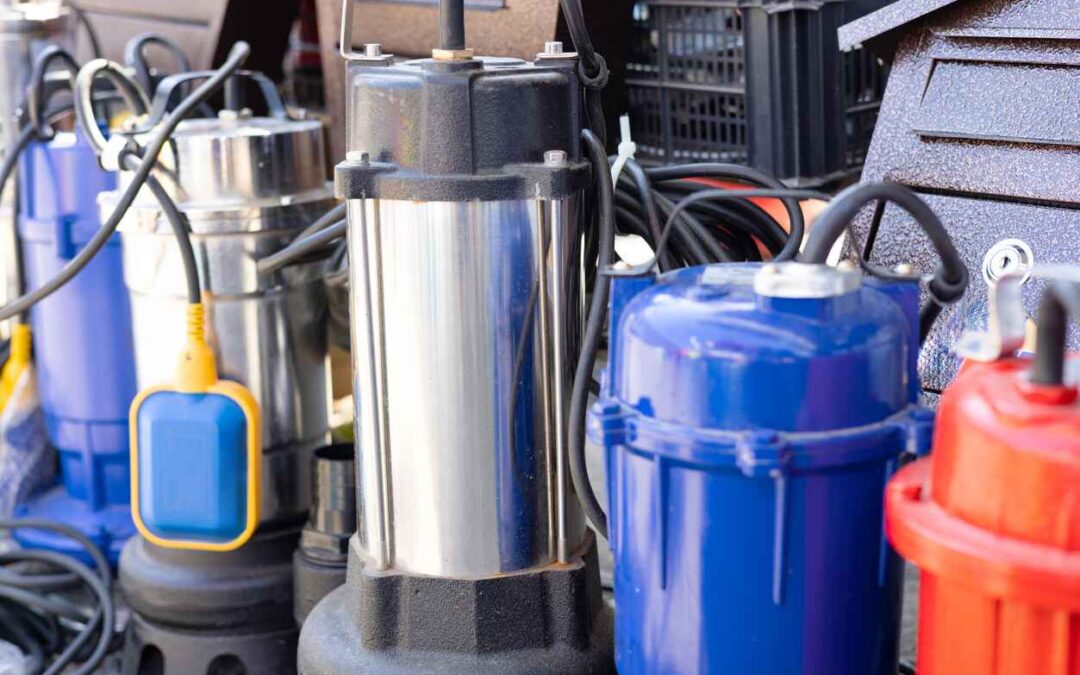
Getting your sump pump sizing right is one of the most important steps in protecting your basement from flooding, water damage, and long-term foundation issues. Too small, and your pump will struggle and overflow during heavy rain. Too large, and you will overpay for unnecessary capacity, energy use, and short-lived equipment.
To avoid both extremes, it helps to look at how the pros handle it. Whether you are managing a large-scale property or trying to protect your family home, understanding how capacity, head height, and inflow rate work together makes all the difference. For businesses and facility managers, consulting with experts in plumbing can prevent costly operational disruptions before the next big storm.
In this guide, we’ll break down exactly how sump pump sizing works, what factors matter most, and how to avoid the most common mistakes homeowners and facility managers make.
What “Sump Pump Sizing” Actually Means
Sump pump sizing refers to matching a pump’s operational capacity to the actual volume of water it needs to move under real-world conditions. It is a common misconception that sizing is just about horsepower.
Proper sizing takes a comprehensive look at:
- Gallons per hour (GPH) or gallons per minute (GPM)
- Vertical lift (also called “head height”)
- Horizontal distance the water must be discharged
- Frequency and intensity of local rainfall
- Physical size of the sump pit
Note: A pump that looks incredibly powerful on the manufacturer’s paper may still underperform if it isn’t correctly calibrated to your specific home or building conditions.
Why Correct Sizing Matters
Choosing the wrong sump pump size can lead to expensive, stressful consequences on either end of the spectrum.
If the pump is too small:
- It will run continuously during storms, leading to premature burnout.
- Water may rise faster than the pump can displace it, causing the pit to overflow.
- The risk of basement flooding and costly water damage skyrockets.
If the pump is too large:
- You’ll face higher upfront purchase and installation costs.
- Increased energy consumption will spike your utility bills.
- Frequent cycling: The pump clears the pit so fast that it constantly turns on and off. This rapid cycling accelerates mechanical wear and tear, drastically reducing the system’s lifespan.
The ultimate goal is balance – consistent, reliable performance without overworking the machine or overspending your budget.
Key Factors That Affect Sump Pump Sizing
Several technical and environmental factors influence the correct pump size for your property.
1. Water Inflow Rate
This is the most critical variable. It measures how quickly water enters your sump pit during heavy rain or intense groundwater pressure events. Homes built in flood-prone zones or low-lying areas with high water tables naturally require higher-capacity pumps.
2. Vertical Lift (Head Height)
Head height is the vertical distance water must travel upward from the bottom of the pit to reach the highest point of the discharge pipe. The higher the lift, the harder the pump must work against gravity. A pump rated for a high GPM at zero feet of lift will perform significantly lower at a 10-foot elevation.
3. Horizontal Discharge Distance
Longer horizontal discharge runs create friction loss inside the pipe, which slows down the water and reduces the effective capacity of the pump. If your discharge line travels far away from your foundation, you may need to upsize.
4. Sump Pit Size
A small pit fills up quickly, which can cause rapid pump cycling. A larger pit allows for more stable, spaced-out operation. The physical diameter and depth of your basin directly affect which pump models will fit and function properly.
5. Backup Systems
Battery or water-powered backup pumps are your secondary line of defense. Because they usually kick in during extreme storms or power outages, they may need to be sized differently than your primary pump to ensure adequate emergency protection.
How to Estimate the Right Pump Capacity
While a professional calculation is always the safest route, you can use a basic estimation method to guide your initial search:
- Measure the Inflow: During a heavy rain event, track how many inches the water rises in your pit over the course of one minute (with the pump temporarily turned off).
- Adjust for Vertical Lift: As a rule of thumb, reduce a pump’s rated capacity by roughly 10% for every 10 feet of vertical lift.
- Factor in Friction: Add a buffer for long discharge lines and sharp pipe bends.
- Add a Safety Margin: Always add a 20% to 30% safety margin to your final estimate to handle unexpected, historic downpours.
For example, a standard home experiencing moderate water collection during storms typically requires a pump rated between 2,500 and 4,000 GPH, depending on the exact lift and discharge setup. This is why two homes with the exact same square footage can require completely different pump sizes.
Common Sump Pump Sizing Mistakes
Even well-intentioned homeowners and contractors frequently run into these sizing pitfalls:
- Underestimating Water Volume: Basing your pump selection on average seasonal rainfall instead of worst-case, peak storm conditions.
- Ignoring Head Height: Buying a pump based strictly on the box’s maximum GPM rating without checking the “head curve” chart to see how it performs at your basement’s specific height.
- Choosing Horsepower Over Capacity: Assuming a 1/2 HP pump is automatically better than a 1/3 HP pump. Flow rate (GPM) at your required head height is what actually matters, not raw horsepower.
- Not Planning for External Changes: Forgetting that future landscaping modifications, nearby construction, basement finishing, or regional climate shifts can drastically change your property’s water load over time.
- Skipping Backup Planning: Installing a perfectly sized primary pump but failing to install a backup system to take over when the power grid fails.
Submersible vs. Pedestal Pumps: Does Size Differ?
The style of the pump impacts how physical space and capacity are evaluated.
| Pump Type | Placement | Capacity Potential | Lifespan & Noise |
| Submersible Pumps | Sits entirely inside the sump pit, underwater. | High; handles larger volumes and debris efficiently. | Quieter operation; ideal for finished residential basements. |
| Pedestal Pumps | Motor sits on a shaft above the pit; only the impeller is submerged. | Generally lower to moderate capacity. | Louder operation, but easier to service and often lasts longer. |
Sizing must consider not just mechanical capacity, but also whether the physical constraints of your pit allow for a submersible’s footprint or require a pedestal setup.
Residential vs. Commercial Sump Pump Sizing
Commercial buildings operate on a completely different scale than residential homes. Commercial spaces require significantly more robust engineering due to:
- Larger drainage surface areas (such as massive parking lots or expansive roofs).
- Higher groundwater exposure from deep building foundations.
- Strict local building code and environmental compliance requirements.
While residential systems focus primarily on intermittent storm response, commercial systems often require built-in redundancy, such as alternating duplex or triplex pump setups, and advanced remote monitoring systems. Undersizing a commercial pump can lead to catastrophic operational downtime and massive financial liability.
How Maintenance Impacts Sizing Efficiency
Even a perfectly sized sump pump will behave like an undersized, failing pump if it is poorly maintained. To ensure your system always operates at peak rated capacity:
- Clean dirt, gravel, and debris out of the sump pit annually.
- Test the float switches regularly to ensure they move freely.
- Inspect the external discharge line to make sure it isn’t clogged, frozen, or restricted.
- Check your backup battery charge and replace old batteries every 3 to 5 years.
- Ensure the check valve is functioning properly so water doesn’t flow backward into the pit.
When to Re-Evaluate Your Sump Pump Size
It is time to audit your current system if:
- Your basement has damp spots or has experienced recent minor flooding.
- You notice the pump constantly turning on and off (cycling) every few seconds during rain.
- You have recently renovated, expanded, or finished your basement.
- Local weather patterns have shifted toward more frequent, severe storms.
- Your current pump is over 7 to 10 years old and nearing the end of its reliable lifespan.
Upgrading your system proactively is infinitely more cost-effective than dealing with the aftermath of a flooded foundation.
Protect Your Property with Lutz Plumbing
Getting your sump pump sizing right isn’t about guessing—it’s about matching the real-world hydrology of your property with the correct mechanical capacity, lift capability, and system design.
If you are unsure whether your current system can handle the next big storm, don’t wait for a heavy downpour to find out. Contact us today to schedule a professional sump pump inspection and sizing check. Our expert team will ensure your home stays dry, safe, and fully protected.