
Winter is coming and for many commercial facilities, the plumbing system is about to face its toughest test of the year. When temperatures drop, the hidden risks within your piping, heaters, drains, and fire‑suppression systems become front and center. A freeze, burst pipe, or faulty backflow device doesn’t just mean repair costs; it means disruption, financial exposure, regulatory headaches, and damage to your reputation.
At Lutz Plumbing, we’ve seen what happens when winter preparedness is an afterthought hundreds of times. Winterization of plumbing systems must be handled like the strategic engineering exercise it is: one that protects infrastructure, ensures operational continuity, and safeguards budgets.
Let’s walk through how the physics, regulation, and proactive care all tie together. Scroll what facility managers should really be planning for this season.
The Science Behind Pipes That Fail in the Cold
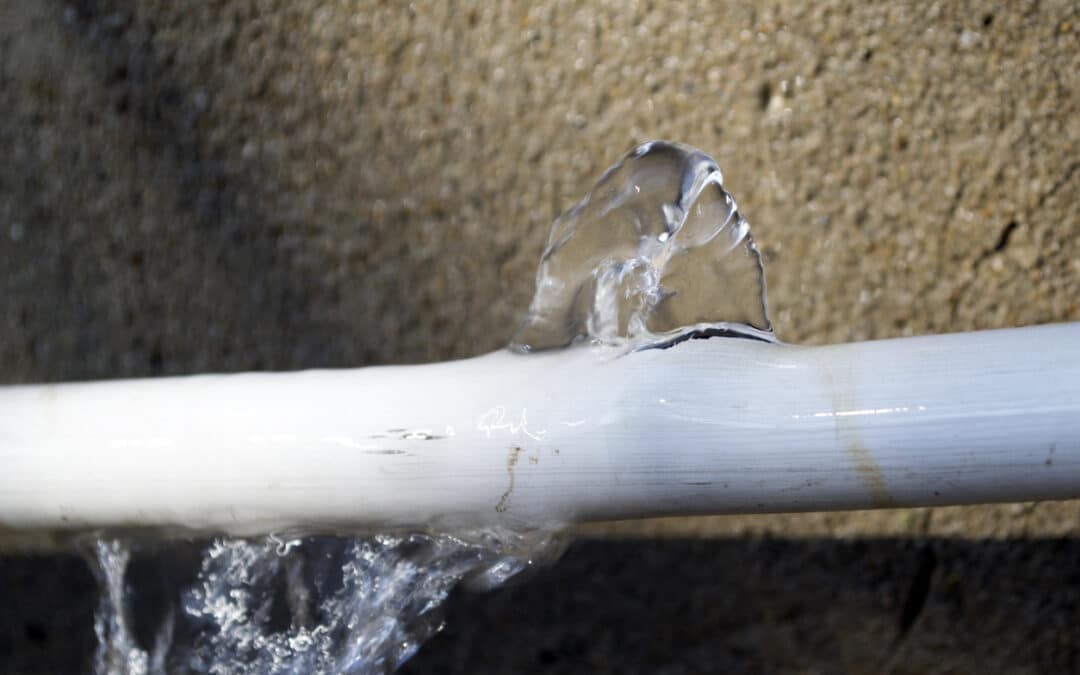
You might expect freezing water to crack a pipe simply because of the cold. The real culprit is hydraulic pressure. When water freezes inside a pipe, it expands by approximately nine percent. If that frozen mass blocks the line, any remaining water trapped downstream becomes a compressed piston, with pressure rapidly climbing from 60 PSI to over 200 PSI, for example. That spike causes catastrophic failure. That failure is often in sections far removed from where the ice plug formed.
For commercial buildings, where many pipes are hidden in ceiling plenum spaces, exterior walls or unheated chases, the risk is heightened. Even if the thermostat reads the right temperature, pockets of piping may still sit at much lower temps.
The danger really kicks in when external temps fall into single digits and stay there for days. This is when cold penetrates deep, insulation fails, and systems once deemed safe become vulnerable.
Regulatory and Insurance Stakes
This is about more than just a maintenance check, this is about compliance and protecting your bottom line. Standards such as those from the National Fire Protection Association (NFPA) mandate that water‑filled piping in sprinkler systems must be maintained above 40 °F. Property insurers adopt the same threshold. If you experience freeze damage and records show below‑40 °F conditions, the insurer may deny your claim.
That becomes especially important in vacant or semi‑vacant buildings. Many policies contain strict exclusions for water damage unless you prove continuous heating or monitoring. A neglected building with exterior backflow preventers, unused areas, or unheated chases suddenly looks like an unacceptable risk and you wind up on the hook.
So, winterization isn’t just an operational good practice‑it’s a requirement. Buildings that don’t adhere to heating thresholds, ignore insulation needs, or lack documentation are inviting massive downstream costs.
Passive + Active Plumbing Protection Across Industries
A sound winterization strategy combines both passive and active systems.
Passive protections involve tightening the building envelope, sealing drafts, insulating exposed piping, and ensuring proper airflow. In cold months, even a small air leak in an exterior wall can drop pipe‑temps to freezing. Maintenance teams need to inspect and seal penetrations, insulate, and monitor isolated service areas or crawl spaces.
Active protections include installing heat‑trace cable (especially in commercial settings). The best option? Self‑Regulating (SR) heating cable. SR adapts its output based on ambient temperature, often down to ‑20 °F, which means you avoid wasted energy and prevent system damage in extreme cold. In contrast, Constant-Wattage (CW) systems deliver the same heat regardless of conditions—less efficient and less safe in severe freezing conditions.
In other words: keep air out, keep heat in, keep water moving especially when cold sets in.
Winterization for Apartment & Multi‑Family Buildings
Multi‑family housing adds another layer of complexity. You’re managing many units, shared plumbing stacks, large hot‑water systems, basement sump or pump rooms, and exterior lines that feed multiple households.
- Inspect and insulate riser stacks, especially where they pass through unheated attics or exterior walls.
- Check unit heaters or recirculation loops so that residents still receive hot water when it matters.
- For sump pump rooms: ensure backup power and test regularly, since freezing drains or backup systems can affect dozens of families.
- Exterior irrigation or fire‑suppression backflow systems: drain or heat‑trace as required.
- Document everything. The failure of one unit can ripple across the building and spark liability issues for you as the owner or manager.
Winter failures in these buildings mean not only damage but huge tenant disruption—and possibly legal or regulatory headaches if you’re bound by occupancy or habitation codes.
Heavy Use Environments: Restaurant, Healthcare, and Industrial
Each commercial vertical has its own plumbing profile.
Restaurants and Food Service: grease traps, heavy drain use, bar sinks, and constant hot‑water demand. Winter adds another stress layer: low temps slow drainage, grease congeals faster, and backups become more likely. A frozen or blocked line can force closure or health‑code violations.
Healthcare and Labs: sterile environments, sensitive water systems, backflow devices everywhere. Even temporary shutdowns can jeopardize patient care. The plumbing system must work flawlessly—and failure in winter can be serious, both operationally and legally.
Industry/Manufacturing: high‑pressure lines, corrosive waste, large‑scale pipe networks. These systems often run bulk‑water, steam or specialized chemical flows. Freeze damage or interruption here means production halts, delivery delays and high cost.
For all of these industries, winterization isn’t “nice to have”—it’s mission‑critical.
Modern Diagnostics & Repair Technologies
When you’ve done all you can to prevent problems, technology helps you identify and correct them early.
Hydro‑jetting: high‑pressure water thoroughly cleans pipes of sludge, grease, roots and blockages—not just snakes through. Results are predictable and long‑lasting.
Trenchless repair: With pipe failure, options like Cured‑in‑Place Pipe (CIPP) relining or pipe‑bursting mean you don’t have to demolish walls or floors. These methods—especially effective in large‑scale plumbing networks—reduce downtime dramatically and cost less than full excavation.
One well‑executed hydro‑jet or trenchless repair now can prevent outages or floods later.
Emergency Response & Documentation
Even the best systems fail sometimes. What matters is how you respond and mitigate going forward.
When a pipe bursts: know your main shut‑off, engage professional services quickly, capture photo and video evidence, start mitigation within 48 hours to avoid mold claims, and keep detailed logs. Delays or lack of documentation lead to claim denials.
Thawing frozen pipes must be done safely (no open flame!), with faucet open to relieve pressure, and proper temporary heating. Every step needs to be logged.
Backflow preventers and exterior utilities must either be drained, heated or removed entirely to avoid freeze damage. Leaving them vulnerable puts you at insurance and regulatory risk.
Don’t Wait for the Freeze—Prepare for It
For plumbing systems, the clock is ticking. But this isn’t about fear—it’s about readiness. Plumbing is not a background line item. It’s an infrastructure asset that directly impacts operations, budget, compliance and reputation. You move from surprise failure to manageable risk. From emergency budget spikes to planned maintenance. From reactive chaos to operational resilience.
At Lutz Plumbing, we’re ready to help you build that foundation. Because when your plumbing thrives, your building stays dry and your business flows smoothly, no matter the weather.